
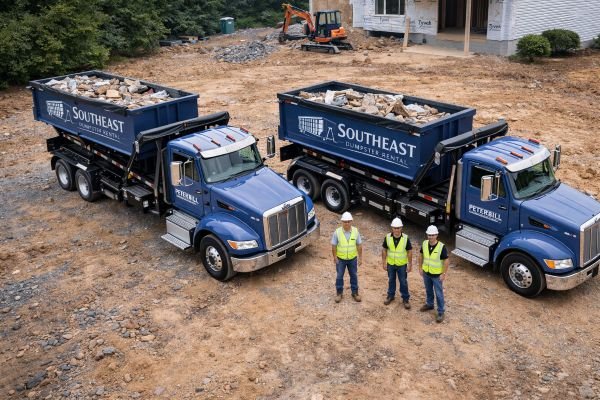
Dumpster Permit Requirements in the Southeast
Understanding dumpster permit requirements in the Southeast can save you time, money, and unnecessary delays. While many dumpster rentals do not require permits, certain placements—especially on public property—often do. Rules can vary by city, county, and state, which is why it’s important to know what applies to your specific location before scheduling delivery.
This guide explains when permits are required, how to obtain them, and how to avoid common permit-related issues across the Southeast.
Why Dumpster Permits Exist
Dumpster permits help local governments manage:
- Public safety and traffic flow
- Street and sidewalk accessibility
- Damage prevention to public property
- Proper use of rights-of-way
Permits ensure dumpsters placed on public land do not block emergency access, pedestrian paths, or utilities.
When a Dumpster Permit Is Usually Required
In most Southeast cities, a permit is required when a dumpster is placed on public property.
Permit Required Situations
You will likely need a permit if the dumpster is placed on:
- Public streets or roadways
- Sidewalks or pedestrian paths
- Public parking spaces
- City-owned rights-of-way
These placements affect public access and traffic, which is why permits are commonly enforced.
When a Permit Is NOT Required
In many cases, permits are not required when dumpsters are placed entirely on private property.
No Permit Typically Needed
You usually do not need a permit if the dumpster is placed on:
- A private driveway
- A private parking lot
- Construction sites with private access
- Commercial property with on-site space
However, homeowners associations (HOAs) and commercial property managers may have their own rules.
Permit Rules Vary by Southeast Location
Dumpster permit requirements differ across the Southeast due to local ordinances and municipal regulations.
Examples:
- Large cities often have stricter enforcement
- Historic districts may require additional approvals
- Coastal and downtown areas may have tighter placement rules
Because of this variation, checking local requirements is essential—even within the same state.
Who Is Responsible for Obtaining the Permit
In most cases, the customer is responsible for securing the permit. However, some dumpster rental providers can help guide you through the process or provide required documentation.
It’s important to clarify responsibility before delivery to avoid delays or fines.
How to Get a Dumpster Permit
The process for obtaining a dumpster permit in the Southeast typically involves:
- Contacting the city or county permitting office
- Submitting an application with location details
- Paying the required permit fee
- Displaying the permit if required
Some municipalities allow online applications, while others require in-person submission.
How Long Does It Take to Get a Permit?
Permit processing times vary depending on location and demand.
Typical timelines include:
- Same-day approval in smaller municipalities
- 1–3 business days in many cities
- Longer timelines in busy metro areas
Planning ahead helps prevent project delays.
How Much Do Dumpster Permits Cost?
Permit fees vary widely across the Southeast and are set by local governments.
Factors that influence permit cost include:
- Length of time the dumpster will be placed
- Size of the dumpster
- Specific location (street vs sidewalk)
Fees are usually modest but should be factored into your project budget.
Common Permit Restrictions to Know
Even with a permit, cities may impose restrictions such as:
- Limited placement duration
- Required reflective markings or cones
- Specific placement distances from intersections
- Prohibited placement during peak traffic hours
Failing to follow permit conditions can result in fines or forced removal.
Penalties for Not Having a Permit
Placing a dumpster on public property without a required permit can lead to:
- City-issued fines
- Forced removal of the dumpster
- Delays in your project
- Additional charges from your rental provider
Avoiding these issues is as simple as confirming permit requirements in advance.
Residential vs Commercial Permit Considerations
Residential Projects
Residential dumpster permits are most commonly required when:
- Driveway space is unavailable
- The dumpster must be placed on the street
Homeowners should also check HOA rules, which may have separate approval processes.
Commercial & Construction Projects
Commercial and construction projects often face:
- Stricter enforcement
- Larger permit fees
- Additional safety requirements
Contractors typically account for permits as part of project planning.
Tips to Avoid Permit Issues
To keep your project running smoothly:
- Choose private property placement when possible
- Confirm permit rules early
- Apply for permits before scheduling delivery
- Follow all placement and safety requirements
Clear communication with your dumpster provider helps avoid surprises.
How Dumpster Providers Can Help
While permits are usually the customer’s responsibility, experienced dumpster rental providers can:
- Advise on common local requirements
- Help determine if a permit is needed
- Coordinate delivery timing around approvals
This guidance can save time and reduce stress.
Final Thoughts on Dumpster Permits in the Southeast
Dumpster permit requirements in the Southeast vary by city, county, and neighborhood, but understanding the basics makes planning easier. In most cases, dumpsters placed on private property don’t require permits, while public placement often does.
Taking the time to check permit rules, apply early, and follow local regulations helps prevent delays, fines, and unnecessary headaches—keeping your project on schedule from start to finish.