Dumpster rental in Atlanta, the short version
If you need a dumpster rental in Atlanta, call (678) 916-9637 with three things: the address, where the container will sit, and what you are getting rid of. We are a referral service, so we do not run trucks ourselves. We find an independent hauler that serves your part of the metro, has the right size free for your dates, and will quote you a price on the phone.
Atlanta is where most of our calls start, from Kirkwood bungalow gut jobs to Buckhead basement cleanouts, but the same approach works across the Southeast. The site covers sixteen cities in five states, and every city page is built around the question that decides most bookings: driveway or street?
Why we start with placement
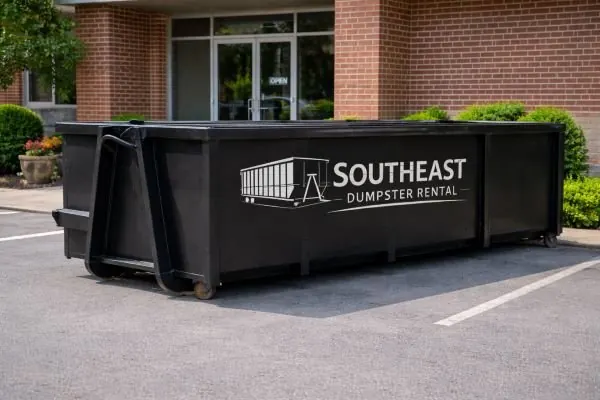
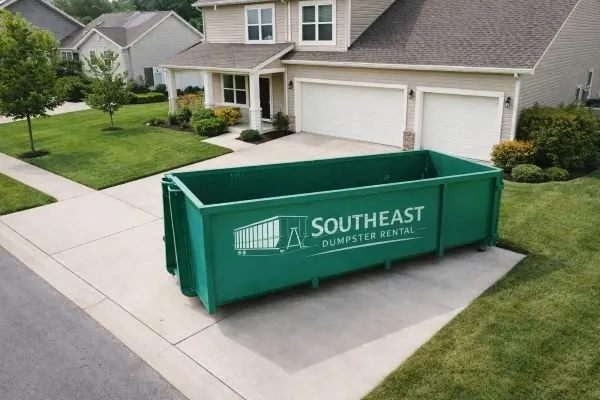
A roll-off container is about 8 feet wide and anywhere from 12 to 22 feet long. It arrives on a truck that needs room to back in and tilt its bed. In an intown Atlanta neighborhood with a shared driveway or a steep slope down to the house, the container may not fit where you hoped, and the street becomes the fallback. That is when city rules apply.
Across the Southeast the pattern is consistent even though the details are not. Private property is mostly your call, subject to an HOA or a landlord. Public streets, curb lanes and sidewalks belong to the city or the state, and placing anything there usually needs permission. Who grants it changes from place to place:
- In Atlanta, Charlotte, Greensboro and Nashville, a city or metro transportation department handles right-of-way use.
- In Greenville and Columbia, many streets are maintained by SCDOT rather than the city, so the first question is whose road it is.
- In Savannah, the Historic District adds its own layer, and the lanes behind the squares are often the practical spot.
- On a numbered state route anywhere in the region, the state DOT is involved and street placement is rarely practical.
Our permit guide goes city by city. We name the office to ask and say plainly where we could not pin a rule down.
Sizes, briefly
Most household jobs land on a 10 or 20 yard container. Renovations, roof tear-offs and big estate cleanouts move up to 20 or 30. New construction and commercial build-outs use 30 and 40 yard boxes, often with swaps. Heavy material such as concrete, brick, tile and dirt goes in smaller containers because of road weight limits, not because of space. The sizes guide lists dimensions and typical uses.
What we will not do
We will not quote a price we cannot stand behind, promise a delivery time before a hauler has confirmed it, or tell you a street placement is fine when it needs a permit. Same-day delivery is often possible when you call early; ask when you call. Prices on this site are typical market ranges from published cost data, not our own rates. The pricing page shows the full table and its source.
Who this suits
Homeowners clearing a garage or redoing a kitchen. Contractors who need a box on a lot by Monday. Property managers turning over units. Anyone settling an estate who wants one container rather than twenty trips to a transfer station. If that is you, call and we will work out the spot, the size and the dates together.
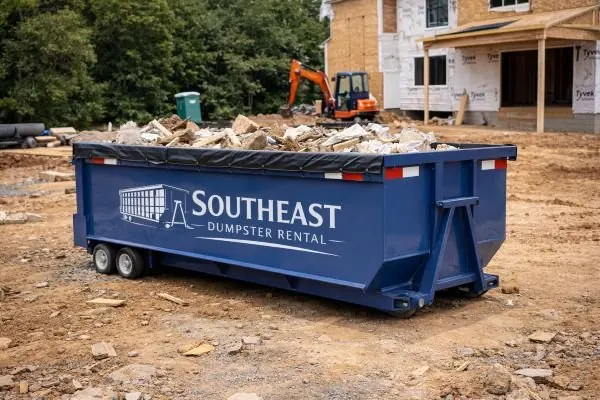
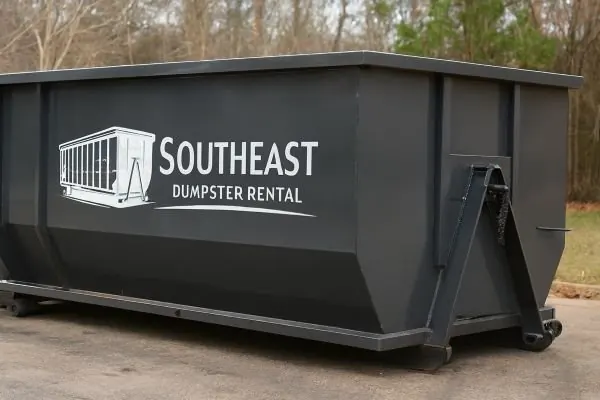 Roll-Off Dumpster Rental
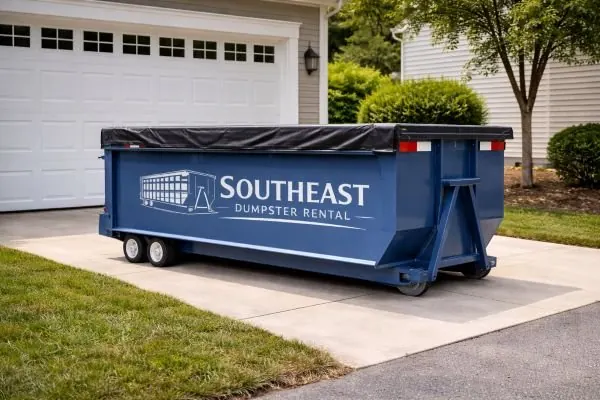 Residential Dumpster Rental
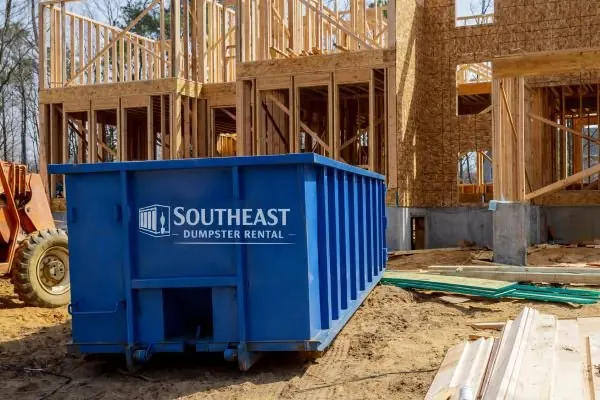 Construction Dumpster Rental
 Commercial Dumpster Rental
 Same-Day Dumpster Rental
 Temporary Dumpster Rental