
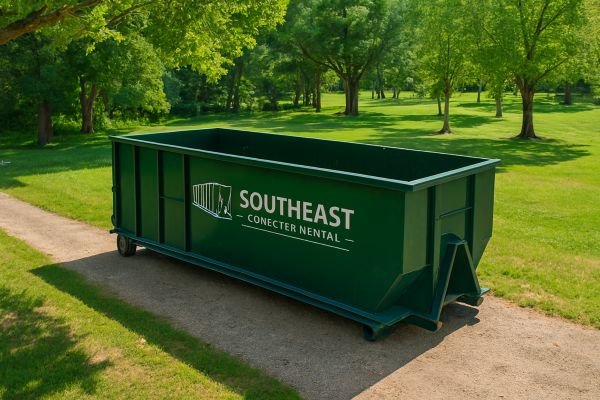
Dumpster Sizes Guide
Choosing the right dumpster size is one of the most important decisions when renting a dumpster. Picking a container that’s too small can lead to overflow, extra hauls, or unexpected fees, while choosing one that’s too large can mean paying for unused space. This Dumpster Sizes Guide is designed to help you confidently select the right option for your project.
Whether you’re planning a home cleanout, managing a construction site, or coordinating a commercial renovation, understanding dumpster sizes will save you time, money, and frustration.
Why Dumpster Size Matters
Dumpster size directly affects:
- How much debris you can dispose of
- The total cost of your rental
- How efficiently your project runs
- Compliance with weight and safety limits
Choosing the right size upfront helps avoid delays, overloading issues, and the need for additional pickups.
Understanding Dumpster Size Measurements
Dumpster sizes are typically measured in cubic yards, which refers to the volume of material the container can hold. One cubic yard is roughly the size of a standard kitchen refrigerator.
For example:
- A 10-yard dumpster holds about 10 cubic yards of debris
- A 20-yard dumpster holds about 20 cubic yards of debris
These measurements help estimate capacity, but weight limits and debris type also play a role.
Common Dumpster Sizes and Their Uses
10-Yard Dumpster
A 10-yard dumpster is ideal for small projects and light cleanup.
Best for:
- Small garage or shed cleanouts
- Bathroom remodels
- Yard debris cleanup
- Minor home decluttering
This size fits easily in most driveways and is cost-effective for low-volume projects.
15-Yard Dumpster
The 15-yard dumpster offers a step up in capacity without taking up much more space.
Best for:
- Medium-sized cleanouts
- Flooring removal projects
- Small renovation jobs
- Roofing projects on smaller homes
This option works well when a 10-yard dumpster might be too tight.
20-Yard Dumpster
The 20-yard dumpster is one of the most popular and versatile choices.
Best for:
- Home renovations and remodels
- Roofing projects
- Large garage or basement cleanouts
- Light construction debris
It offers a strong balance between capacity and footprint, making it suitable for both residential and commercial use.
30-Yard Dumpster
A 30-yard dumpster is designed for larger projects that generate significant debris.
Best for:
- Major home renovations
- Commercial cleanouts
- Construction and demolition projects
- Property cleanups
This size is commonly used on job sites where debris volume adds up quickly.
40-Yard Dumpster
The largest standard option, a 40-yard dumpster is built for maximum capacity.
Best for:
- Large construction projects
- Demolition work
- Commercial renovations
- Industrial cleanup
Because of its size, this dumpster is typically used in commercial and construction settings.
How Debris Type Affects Dumpster Choice
Not all debris takes up space the same way. Heavy materials reach weight limits faster, while bulky items fill volume quickly.
Examples:
- Roofing shingles are dense and heavy
- Furniture and household items take up more space but weigh less
- Construction debris varies depending on materials
Always consider both volume and weight when choosing a dumpster size.
Residential vs Commercial Dumpster Size Needs
Most residential projects fall between:
- 10-yard to 20-yard dumpsters
These sizes handle cleanouts, renovations, and decluttering efficiently without overwhelming your property space.
Commercial & Construction Projects
Commercial and construction projects often require:
- 20-yard to 40-yard dumpsters
Larger containers reduce the need for frequent pickups and help maintain jobsite efficiency.
Driveway Space and Placement Considerations
Before choosing a dumpster size, consider where it will be placed:
- Measure driveway length and width
- Ensure clearance for delivery trucks
- Confirm no obstacles such as low branches or vehicles
Larger dumpsters require more space and may not fit in all residential driveways.
Weight Limits and Overfilling Risks
Each dumpster size comes with a weight limit. Exceeding it can result in additional charges.
To avoid overfilling:
- Do not load debris above the container’s rim
- Distribute weight evenly
- Avoid mixing heavy materials unnecessarily
Choosing the right size reduces the risk of weight overages and safety issues.
How to Choose the Right Dumpster Size
Ask yourself:
- What type of debris will I dispose of?
- How much debris do I expect?
- How much space do I have for placement?
- Is this a residential or commercial project?
When in doubt, going one size up is often more cost-effective than needing a second dumpster.
Get Help Choosing the Right Dumpster Size
Selecting the right dumpster doesn’t have to be complicated. Experienced rental providers can recommend the best size based on your project details.
Getting expert guidance helps you:
- Avoid unnecessary costs
- Prevent delays
Keep your project organized
Final Thoughts on Dumpster Sizes
Understanding dumpster sizes gives you control over your project timeline and budget. From small cleanouts to major construction jobs, the right container makes waste removal easier and more efficient.
If you’re unsure which size is best, don’t guess—get expert advice and choose with confidence.